 Old Plow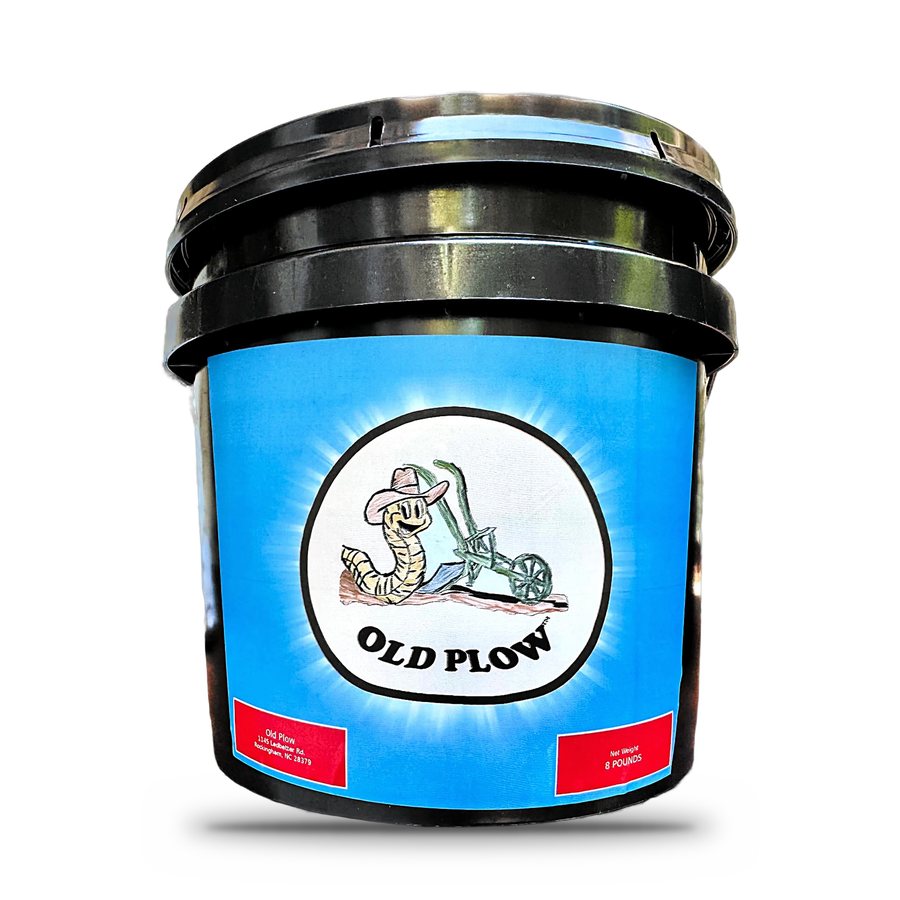
Why castings
What worm castings actually do
Worm castings aren't a fertilizer you measure in numbers. They change the soil itself — how it holds water, how it breathes, and what's living in it.
Better soil structure
Castings bind loose sandy soil and open up heavy clay, so roots can move and water drains the way it should.
Holds water longer
Castings act like a sponge in the root zone — fewer wilted afternoons and less watering in July.
Alive with microbes
Every handful carries the beneficial bacteria and fungi that help plants take up nutrients already in your soil.
Gentle on everything
Castings won't burn seedlings. Safe for vegetables, herbs, houseplants, flowers and lawns.
The lineup
Castings, tea, and living soil
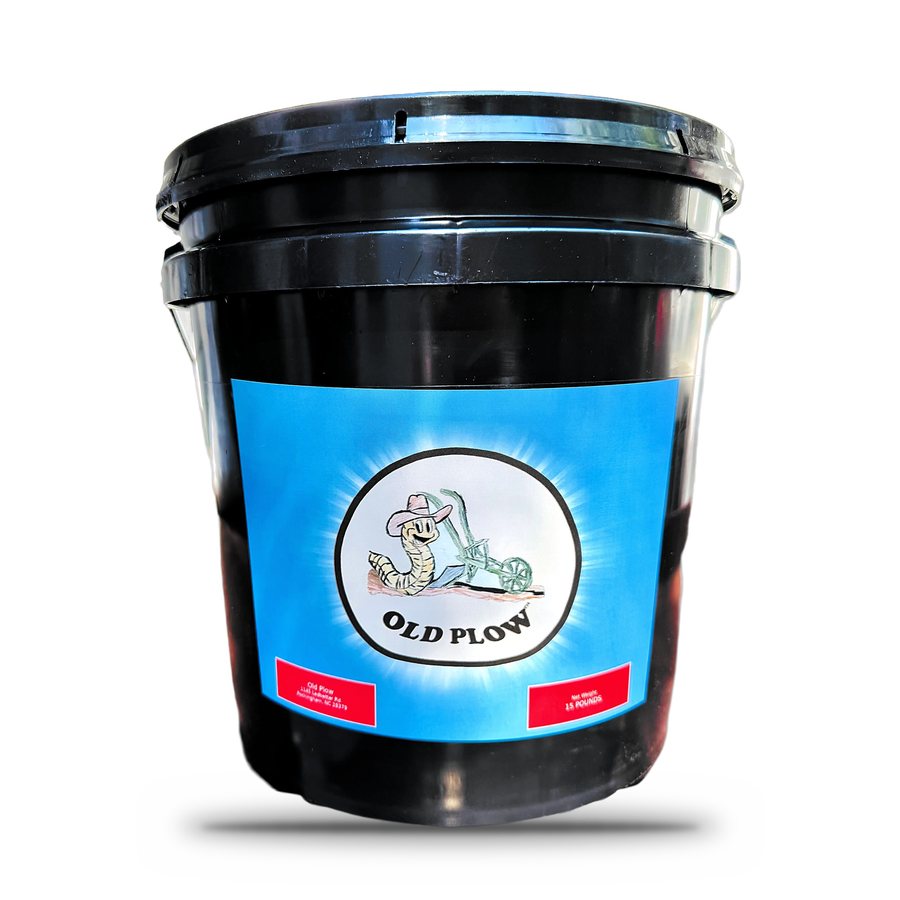
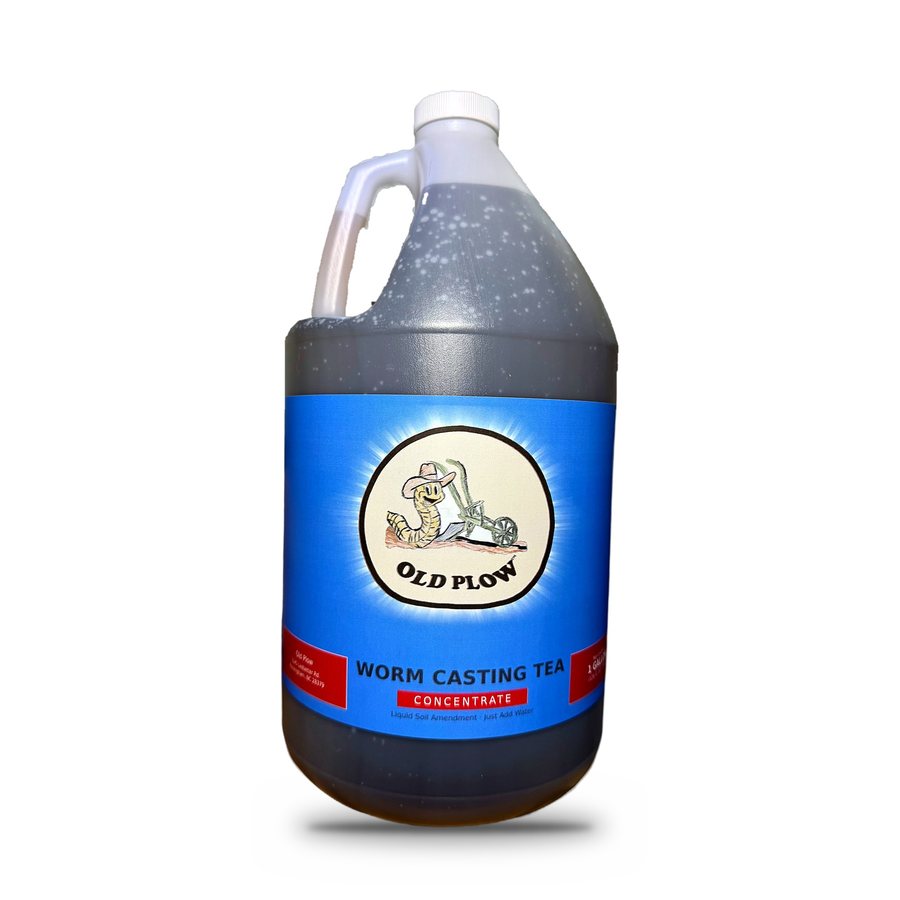
Castings come in a reusable bucket with a sealing lid. Casting tea is a concentrate you dilute and water in. Living Soil Culture is a liquid amendment cultured from worm castings, in three pH-matched blends. Checkout happens in our secure online store.
Worm castings & casting tea
 Best value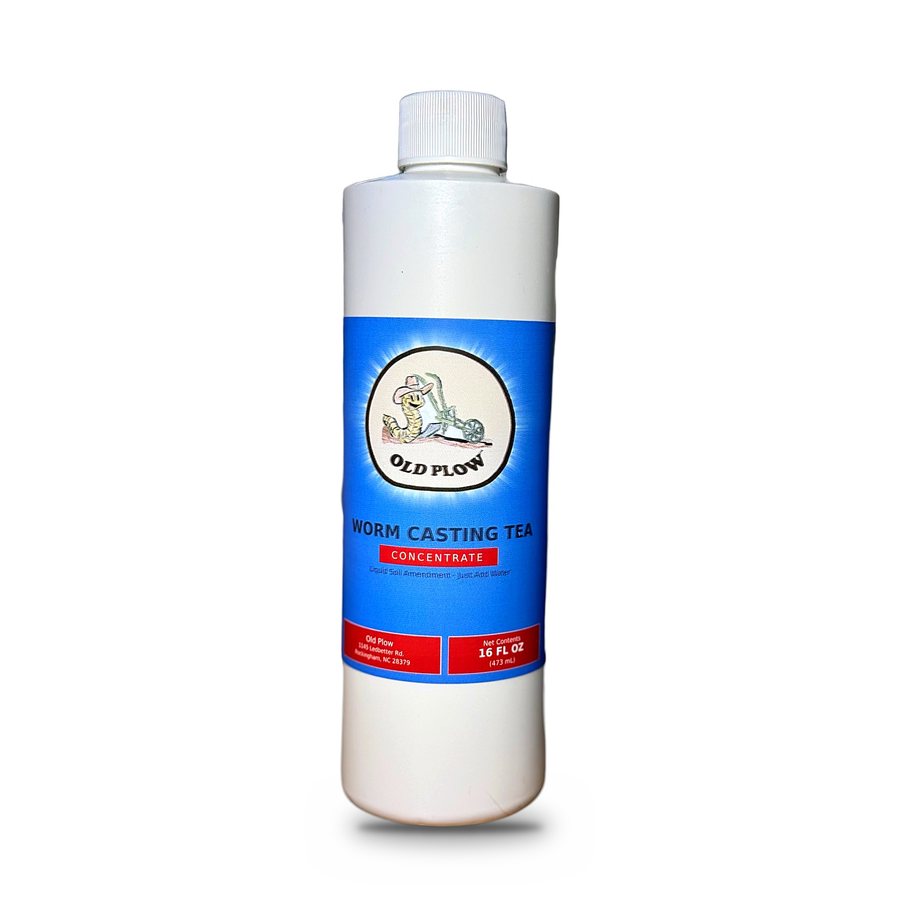
Living Soil Culture · new
A liquid soil amendment cultured from worm castings — pick the blend that matches the soil your plants like best.
 New
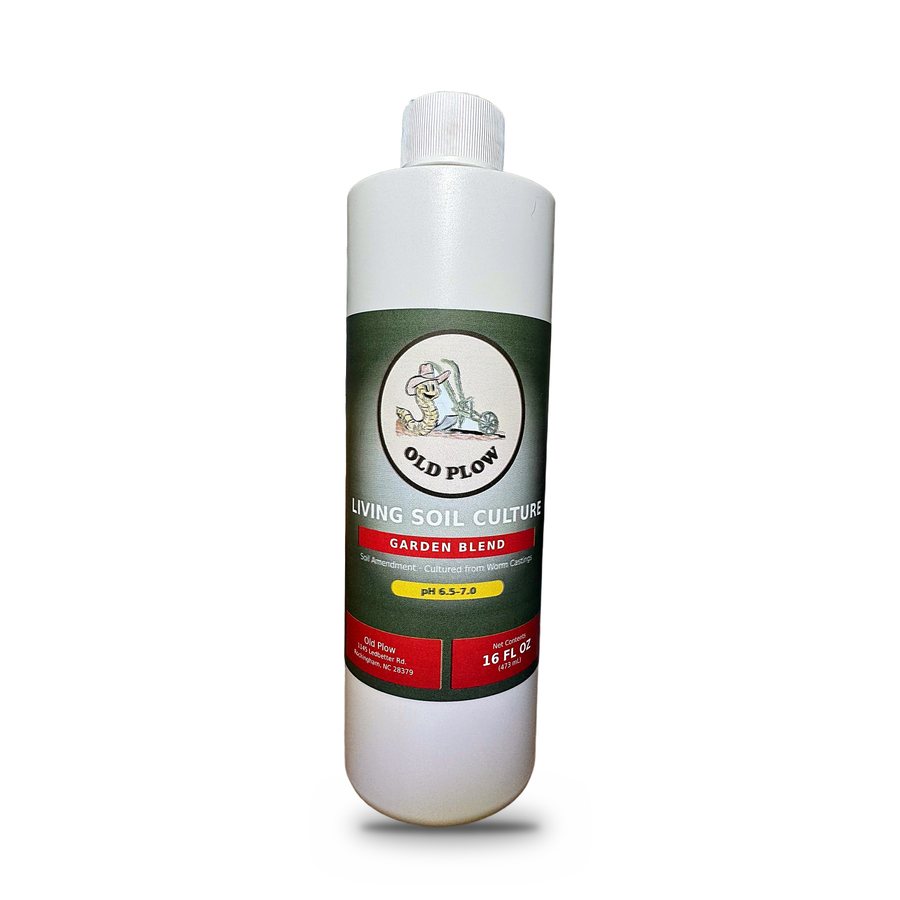
NewLiving Soil Culture — Garden Blend
16 fl oz
pH 6.5–7.0
Our base formula for everyday beds, borders, lawns and containers.
$19.99
Buy in store
 New
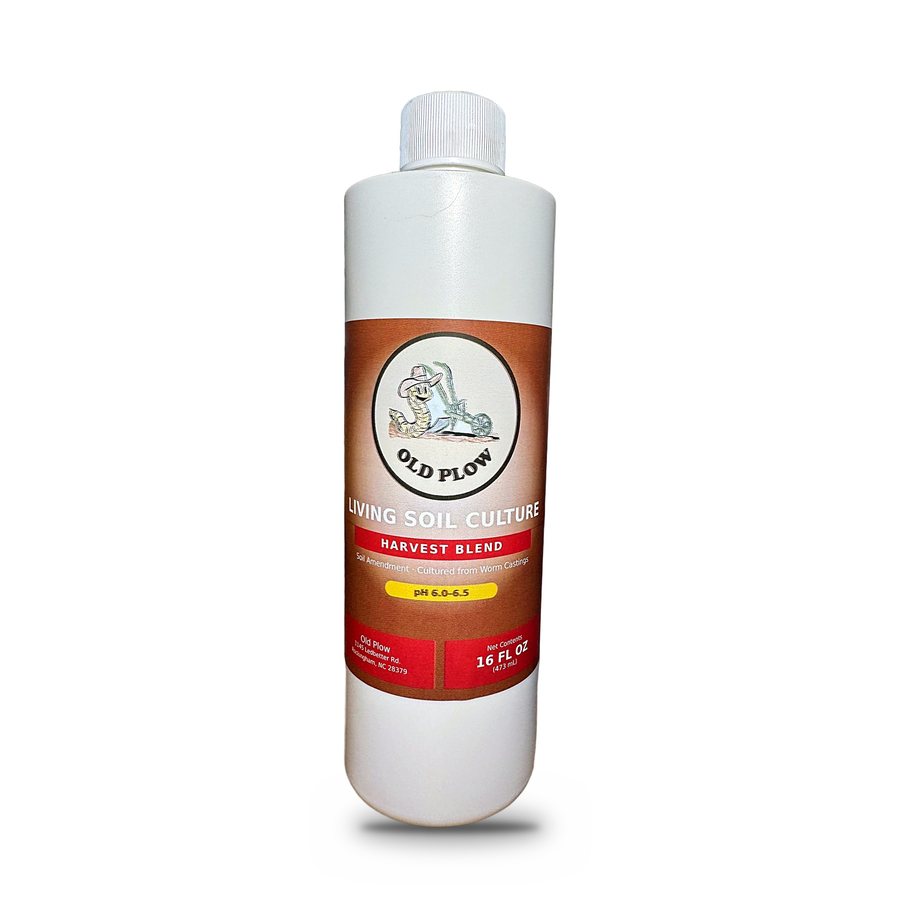
NewLiving Soil Culture — Harvest Blend
16 fl oz
pH 6.0–6.5
Slightly acidic, for common vegetables and fruits.
$19.99
Buy in store
 New
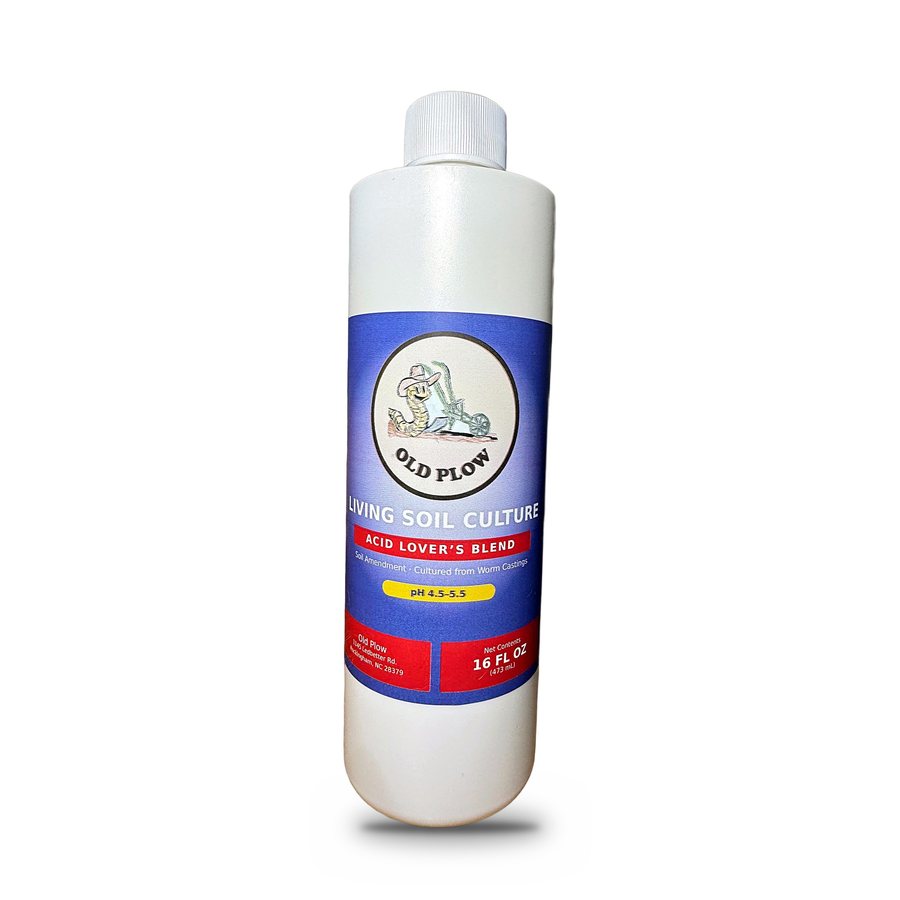
NewLiving Soil Culture — Acid Lover's Blend
16 fl oz
pH 4.5–5.5
Made with pine needle extract for blueberries, azaleas, camellias and other acid-loving plants.
$19.99
Buy in store
- No chemicals, additives or fillers
- Worms fed a 100% vegan, non-GMO diet
- Raised indoors in a climate-controlled facility
- Organically produced · won't burn plants
Free USPS shipping on all products, anywhere in the continental United States. Questions before you order? Get in touch.
Our story
From beach-sand soil to your garden
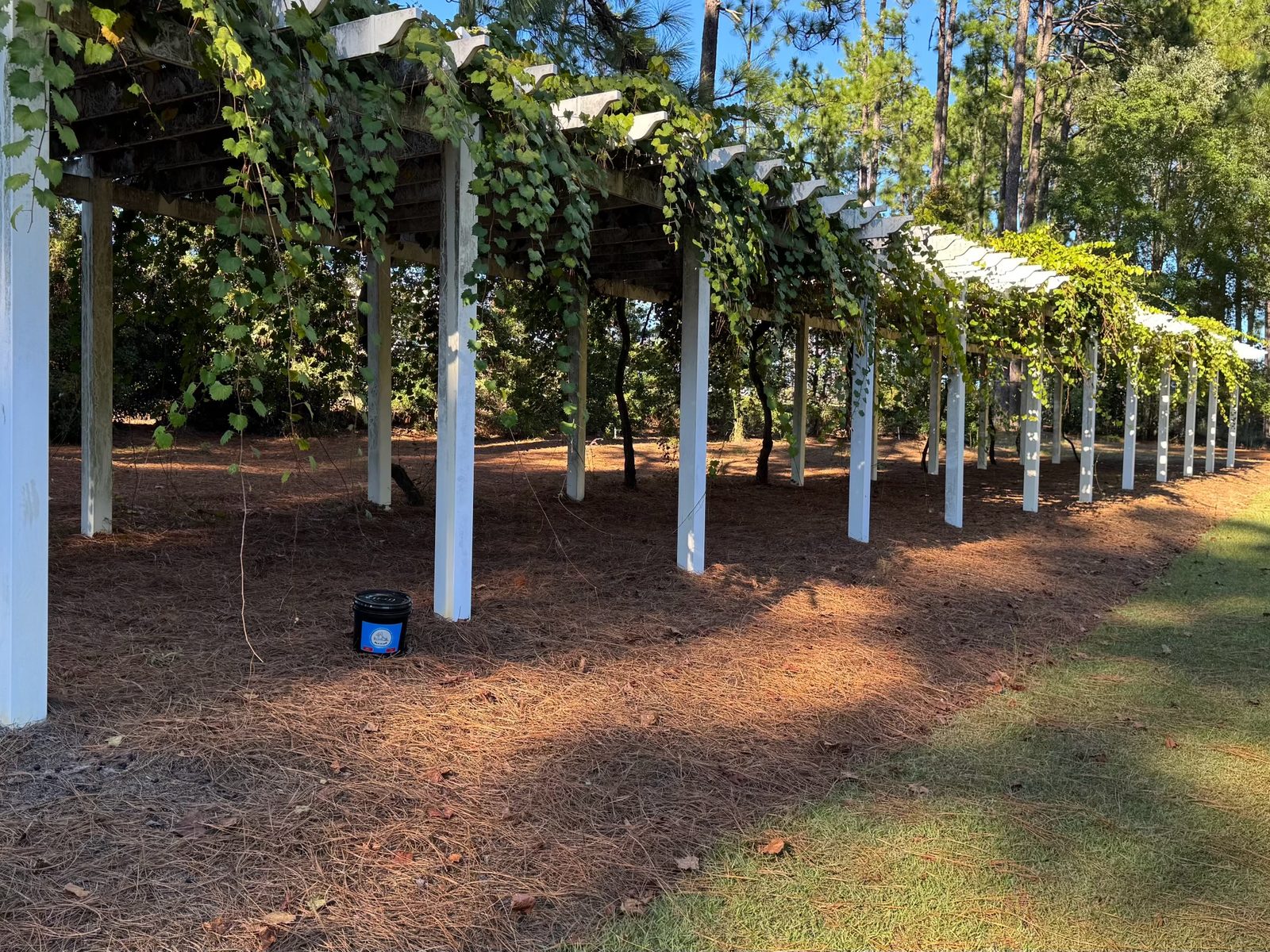
More than a century ago our great-grandparents settled on land where the soil was as sandy as a beach — and proved, with hard work and vermicomposting, that even the most challenging ground can be made productive.
Today, with years of trial-and-error experience as farmers, we carry that forward: raising earthworms and sharing what we've learned through workshops and community gardens.
Read our storyHow to use
Three ways to put castings to work
There's no wrong amount. Castings won't burn plants, so the only question is how much you want to spend on a given bed.
Mix into the soil
The most effective method overall. Mix 10–20% castings into the soil so nutrients and microbes are spread evenly through the root zone. For planting holes, add one or two handfuls per plant; for raised beds, work 1–2 inches into the top 4–6 inches.
Top-dress established plants
The easiest, most consistent way to feed. Spread a ½–1 inch layer around the base of the plant and water it in — slow-release nutrients and microbes get pulled into the soil with each watering. Reapply every 2–4 weeks.
Casting tea & Living Soil Culture
Dilute according to the label, then water the root zone or spray the leaves in the morning. Use it the same day you mix it, while the microbes are most active.
From customers
What gardeners tell us
Since using Old Plow's worm castings, my garden has never looked better. The soil is rich and my plants are thriving!
I couldn't believe how effective the worm castings were! My vegetables have improved in taste and yield, making gardening so much more rewarding.
Talk to us
Questions about your garden? We're happy to talk dirt.
We're a working farm, not a storefront — every order ships. But if you're wondering which product is right for your beds, your houseplants, or your lawn, call or email and we'll help you figure it out.
Contact us- Phone
- (877) 464-6979
- info@oldplow.com
- Hours
- Monday – Friday, 8:00 AM – 5:00 PM ET
Closed Saturday and Sunday